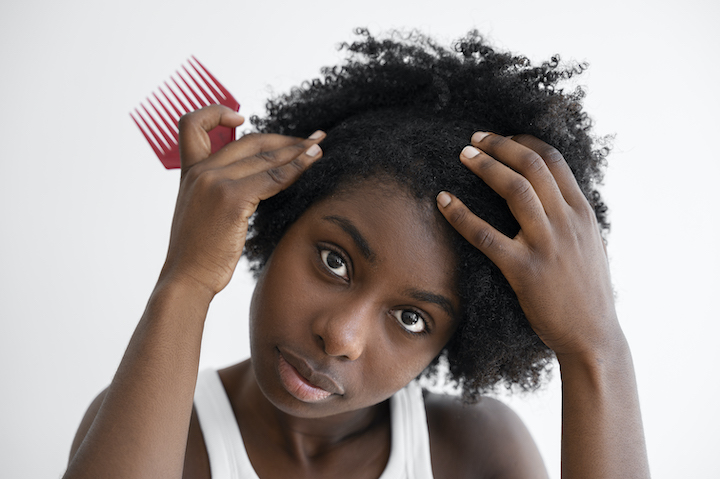
Have you ever run your fingers through your hair and paused for a second?
Because there was more hair in your hand than you expected.
I remember the first time I noticed it. I was washing my hair, nothing dramatic, just a normal day. When I looked down at the shower floor, I froze a little. It wasn’t clumps. But it was enough to make me think, “Wait… is this normal?”
If you’re here, you’ve probably had a moment like that too.
Let me tell you something gently. Hair shedding happens. Some of it is normal. But when it feels like more than usual, when your ponytail feels thinner, or your edges look different, it can shake your confidence.
So let’s talk calmly about how to stop hair loss.
Not with panic. Not with miracle promises. Just steady steps that actually make sense.
Take a breath. We’re going to walk through this slowly.
Table of Contents
Key Takeaways
- Learning how to stop hair loss begins with understanding the cause.
- A healthy scalp supports growth.
- Reduce tension from tight hairstyles.
- Nourish your body with protein and key nutrients.
- Manage emotional stress consistently.
- Be gentle with your hair daily.
- Give your efforts time.
- Small steady actions matter more than extreme changes.
First, Understand Why Your Hair Is Falling
Before you learn how to stop hair loss, you need to understand why it might be happening.
Hair grows in cycles. It grows. It rests. It sheds. Then it grows again.
That cycle gets disrupted when your body or scalp is under stress.
Here are some common reasons:
- Emotional stress
- Hormonal changes
- Tight hairstyles
- Poor nutrition
- Heat damage
- Chemical treatments
- Scalp buildup
- Lack of sleep
I didn’t realize how much stress alone could affect hair until I went through a heavy work period. I was sleeping late, skipping meals, and constantly tense. A few months later, I noticed increased shedding.
The body remembers stress.
If you want to understand how to stop hair loss, you have to stop fighting the symptom and start asking why your hair feels stressed.
Now let’s get practical.
How to Stop Hair Loss: Step-by-Step
We’re going to keep this simple. No overwhelming routines. Just steady adjustments.
Step 1: Calm Your Scalp
Your scalp is skin.
We forget that.
If your scalp is clogged, irritated, or inflamed, your hair struggles to grow properly. Product buildup, oil, and dirt can block follicles over time.
I used to think washing less would “protect” my hair. But my scalp was suffocating.
Here’s what helps:
- Cleanse regularly based on your hair type
- Use a gentle shampoo
- Massage your scalp for 3–5 minutes during washing
- Avoid scratching with your nails
That massage matters. It increases circulation. It helps blood flow reach the follicles.
Sometimes when I massage my scalp slowly, I realize how tense it feels. You hold stress there without noticing.
If you’re serious about how to stop hair loss, start with your scalp.
Healthy scalp. Healthier growth.
Also Read: Hair Regrowth Serum: My Honest Thoughts and Top Picks That Actually Work
Step 2: Reduce Physical Stress on Your Hair
This one is hard to accept sometimes.
Tight ponytails. Tight braids. Constant slick styles.
They look neat. But they pull at the roots.
Traction hair loss is real. And it builds slowly.
I remember wearing tight styles back-to-back for months. My edges thinned. I blamed products. But it wasn’t the products.
It was tension.
If you want to stop hair loss caused by physical stress:
- Loosen your hairstyles
- Avoid tight elastics
- Limit heat styling
- Detangle gently
- Use a wide-tooth comb
- Stop aggressive towel drying
- Wrap your hair gently instead of rubbing it dry. Small changes protect fragile strands.
When you handle your hair softly, it responds.
Step 3: Feed Your Hair From Within
You can apply oils every day. You can massage your scalp faithfully.
But if your body lacks nutrients, your hair will struggle.
Hair is made mostly of protein. If you’re not eating enough protein, shedding can increase.
Other important nutrients include:
- Iron
- Healthy fats
- Zinc
- Vitamin D
- B vitamins
There was a time I skipped meals often. I didn’t connect it to my hair at first. But hair reflects what’s happening internally.
If you’re asking how to stop hair loss, ask yourself:
- Are you eating enough?
- Are you hydrated?
- Are you resting?
Crash diets often trigger shedding. The body shifts energy to survival, not hair growth.
Consistency in nutrition matters more than perfection.
Step 4: Manage Emotional Stress
This part gets overlooked.
Stress pushes more hairs into the shedding phase. It’s called telogen effluvium. You don’t need to memorize the term. Just understand the effect.
When stress stays high, shedding increases a few months later.
I noticed my shedding peaked after stressful seasons ended. That confused me at first. But that delay is common.
To reduce stress-related shedding:
- Walk regularly
- Create a sleep routine
- Breathe deeply before bed
- Reduce late-night screen time
- Say no when you need to
This isn’t about becoming perfectly calm. It’s about lowering constant tension.
If you want to learn how to stop hair loss linked to stress, your nervous system needs support too.
Your hair listens to your body.
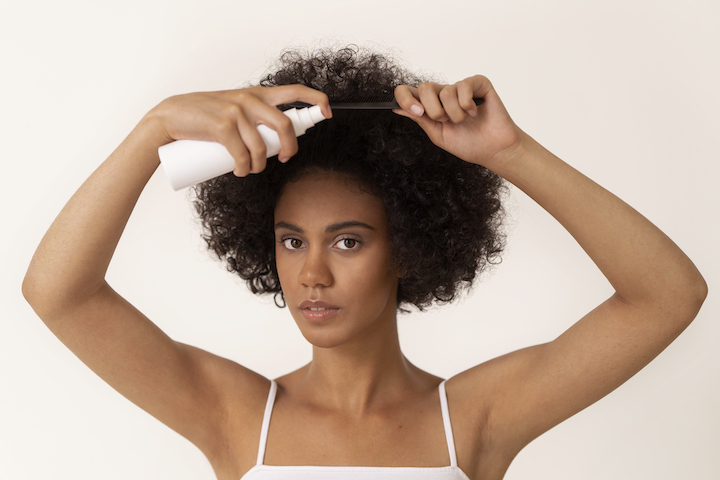
Step 5: Use Targeted Treatments
Now let’s talk about treatments.
Oils, serums, and topical solutions can support growth. But they are helpers, not magic.
Scalp oils can:
- Reduce dryness
- Improve scalp flexibility
- Support massage
- Lightweight serums can:
- Support circulation
- Nourish follicles
Minoxidil is another option. It has research behind it. If shedding is significant, it may help. But it requires consistency.
If hair loss feels sudden, extreme, or patchy, see a professional. Don’t guess.
Learning how to stop hair loss sometimes includes knowing when to ask for guidance.
There’s no weakness in that.
Habits That Make Hair Loss Worse
Sometimes progress comes from stopping harmful habits.
Watch out for:
- Overwashing with harsh shampoo
- Tight protective styles worn too long
- Constant chemical processing
- Ignoring scalp itching or pain
- Skipping meals
- Excessive heat styling
- Pulling or twisting hair repeatedly
I used to twist my hair absentmindedly when anxious. It seems small. But repeated tension adds up.
Be aware of your habits. Awareness alone changes things.
Check Out: Understanding Hair Texture Types: The Secret to Loving Your Natural Hair
How Long Does It Take to See Results?
This is the part most people don’t like.
Hair growth is slow.
Once you start addressing the cause, it may take 8 to 12 weeks to notice reduced shedding. Visible growth takes longer.
That’s normal.
Hair grows about half an inch per month on average. It doesn’t rush.
When I started focusing seriously on how to stop hair loss, I wanted immediate results. But the real shift happened after three consistent months.
Track progress gently. Take photos monthly. Don’t check daily.
Consistency builds quiet results.
Conclusion
If you’ve been worrying about your hair, pause for a moment.
Hair loss feels personal. It affects confidence quietly. But you are not alone in this.
Learning how to stop hair loss isn’t about finding one miracle product. It’s about calming your scalp. Reducing tension. Nourishing your body. Lowering stress. Being consistent.
Your hair responds to how you treat it.
Move gently.
Stay patient.
Support your body.
Give your hair time to recover.
It can.
Frequently Asked Questions
Can hair loss be reversed?
In many cases, yes. If hair loss is caused by stress, nutrition, or tension, addressing the root cause can reduce shedding and support regrowth.
How do I know if my hair loss is serious?
If you notice sudden clumps, bald patches, or shedding that lasts several months without slowing down, seek professional advice.
Does oiling really stop hair loss?
Oiling supports scalp health, but it doesn’t fix internal causes like nutrient deficiencies or hormonal shifts. It works best as part of a balanced routine.
How often should I wash my hair if I’m shedding?
Wash based on your scalp needs. A clean scalp supports growth. Avoid harsh products, but don’t avoid cleansing completely.
When should I see a doctor?
If shedding feels extreme, painful, or unusual, or if you notice sudden thinning, it’s wise to seek guidance.